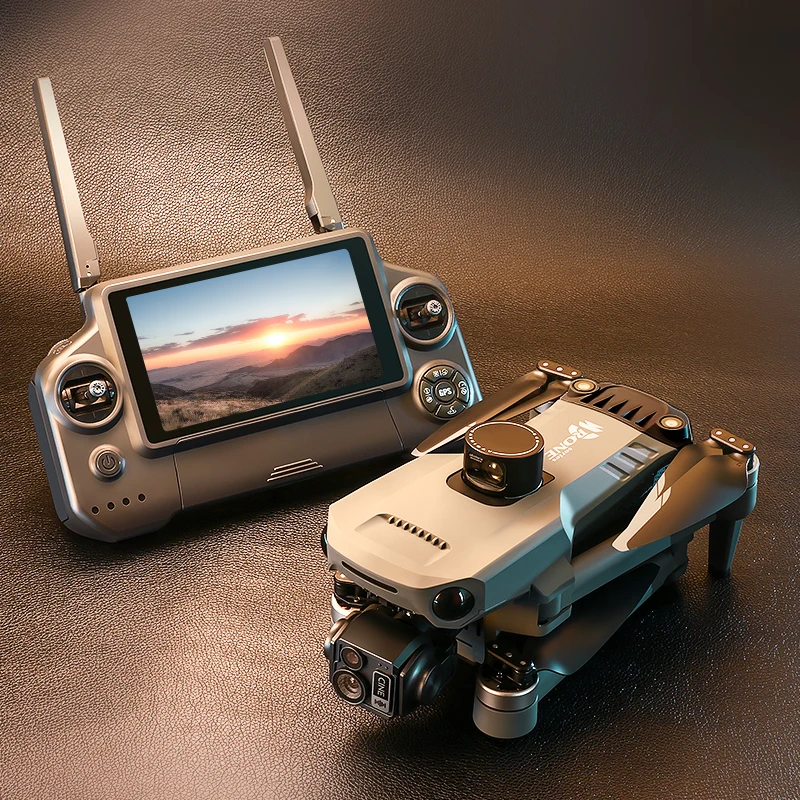
Drone videography has changed the way we experience landscapes, events, and storytelling. Whether you’re filming a scenic coastline or following an epic mountain trail, drones offer a cinematic quality that traditional cameras can’t replicate. But stunning footage doesn’t come from simply owning a drone — it comes from technique, preparation, and a creative mindset.
If you’re aiming to elevate your aerial filming game, this guide offers practical tips to help you capture smoother, more visually striking footage that looks professional, even if you’re just starting out.
- Get Familiar with Your Equipment
Before recording anything, it’s crucial to understand how your drone functions. Spend time learning what each button and setting does, and get comfortable controlling altitude, speed, and camera angles.
- Practice Flying: Use open areas to get used to navigating your drone without obstacles.
- Explore Flight Modes: Many drones offer pre-programmed flight paths like orbit or follow mode that can automate your shots.
- Know Your Limits: Learn your drone’s maximum flight time and distance to avoid emergency landings or losing signal.
The better you know your equipment, the easier it becomes to focus on the creative aspects of your footage.
- Plan Your Shots Ahead of Time
While spontaneous filming can be fun, planning helps ensure your battery life is used efficiently and your footage has structure.
- Scout the Area: Use digital maps or take a walk around the location beforehand to identify interesting angles and focal points.
- Check the Weather: Avoid flying in high winds, rain, or fog. Early morning and golden hour offer the best natural lighting.
- Outline Key Moments: Know what subjects you want to follow, what transitions you’ll use, and how your footage will flow together.
Having a shot list or mental storyboard helps you capture footage with intention.
- Use Manual Camera Settings
Great footage relies not only on flight but also on how the camera is configured. While auto settings can be useful, manual adjustments usually yield better results.
- Set the ISO Low: A lower ISO reduces grain and improves clarity. Use filters if needed to maintain exposure in bright light.
- Control Shutter Speed: For natural motion blur, keep your shutter speed around double your frame rate (e.g., 1/60 for 30fps).
- Lock White Balance: Prevent color shifts by setting a fixed white balance suited to the lighting conditions.
Learning how to adjust your settings gives you more control and consistency in every shot.
- Compose Your Shots Thoughtfully
Drones offer incredible perspectives, but that alone doesn’t guarantee cinematic results. Apply tried-and-true composition techniques to enhance visual storytelling.
- Rule of Thirds: Position key elements like the horizon or buildings along grid lines for balanced framing.
- Use Leading Lines: Paths, rivers, or roads naturally guide the viewer’s eye and add depth to your shots.
- Incorporate Foreground Elements: Add visual layers by capturing objects like trees or rooftops in the foreground.
Composed shots feel more intentional and immersive than random flyovers.
- Keep Movements Slow and Controlled
Smooth, steady motion looks far more professional than fast, jerky movements. Take your time with every shot.
- Glide, Don’t Jerk: Make gradual joystick movements and hold angles for several seconds before transitioning.
- Stick to One Movement: Avoid combining tilt, pan, and forward movement in a single shot unless you’re confident with controls.
- Hover with Purpose: Sometimes, staying still with a slow camera tilt is more effective than complex maneuvers.
It’s better to film one smooth, clean shot than a dozen rushed or shaky ones.
- Use Smart Flight Features Strategically
Modern drones often come equipped with intelligent flight functions designed to simplify difficult shots. These can be especially useful in creating dynamic footage.
- Tracking Modes: Keep a moving subject in frame automatically while maintaining a consistent angle.
- Orbit Shots: Circle around a landmark or person to create cinematic reveals.
- Waypoint Paths: Program a route so the drone can fly steadily between locations while maintaining your framing.
These tools can be a major advantage, but they work best when integrated into a broader creative plan.
- Record for Post-Production
What you capture in-flight is only the beginning. Most high-quality drone videos go through editing before they shine.
- Record in High Resolution: Shoot in the highest quality available to give yourself flexibility in editing.
- Avoid Digital Zoom: Use real camera movement instead of zooming in — it preserves image quality.
- Leave Room to Crop: Frame shots wider than you think you’ll need so you can crop during editing.
Capturing more than you plan to use gives you options later and prevents regret over missed angles.
- Edit with Purpose
Video editing is where you bring together your footage, mood, and story. A thoughtful edit can elevate good shots into captivating sequences.
- Trim Aggressively: Only include what adds to the story or mood. Less is often more.
- Add a Soundtrack: Background music or ambient audio gives your video emotional context.
- Color Correct and Grade: Adjust brightness, contrast, and saturation to create a consistent and polished look.
If you’re new to editing, start simple — you don’t need flashy transitions or effects to create something compelling.
- Stay Legal and Respectful
Capturing stunning footage should never come at the cost of safety or privacy. Always fly responsibly.
- Follow Local Rules: Understand altitude limits, no-fly zones, and registration requirements for your area.
- Avoid Crowded Spaces: Keep a safe distance from people, animals, and property.
- Preserve Nature: Don’t disturb wildlife or protected environments for the sake of a shot.
Great drone pilots are not only skilled but also respectful of their surroundings.
- Keep Practicing and Evolving
The best footage comes with experience. Make flying and filming a regular activity, and always seek ways to improve.
- Watch and Learn: Study drone videos online to pick up new techniques or inspiration.
- Experiment with Styles: Try time-lapses, tracking shots, or narrative sequences.
- Review Your Work: Analyze your footage with a critical eye to see what worked and what didn’t.
Each flight is a learning opportunity, and consistency is key to growth.
Final Thoughts
Creating compelling drone footage isn’t about expensive gear or complicated tricks — it’s about being deliberate, observant, and creative. By planning your shots, adjusting your camera settings, mastering smooth movements, and applying thoughtful composition, you can capture breathtaking aerial visuals that stand out.
Whether you’re filming serene landscapes or high-energy events, these tips can help turn your drone footage into an engaging visual experience. The sky isn’t the limit — it’s just the beginning.